DENTAL CLINIC XIMENA CASADO
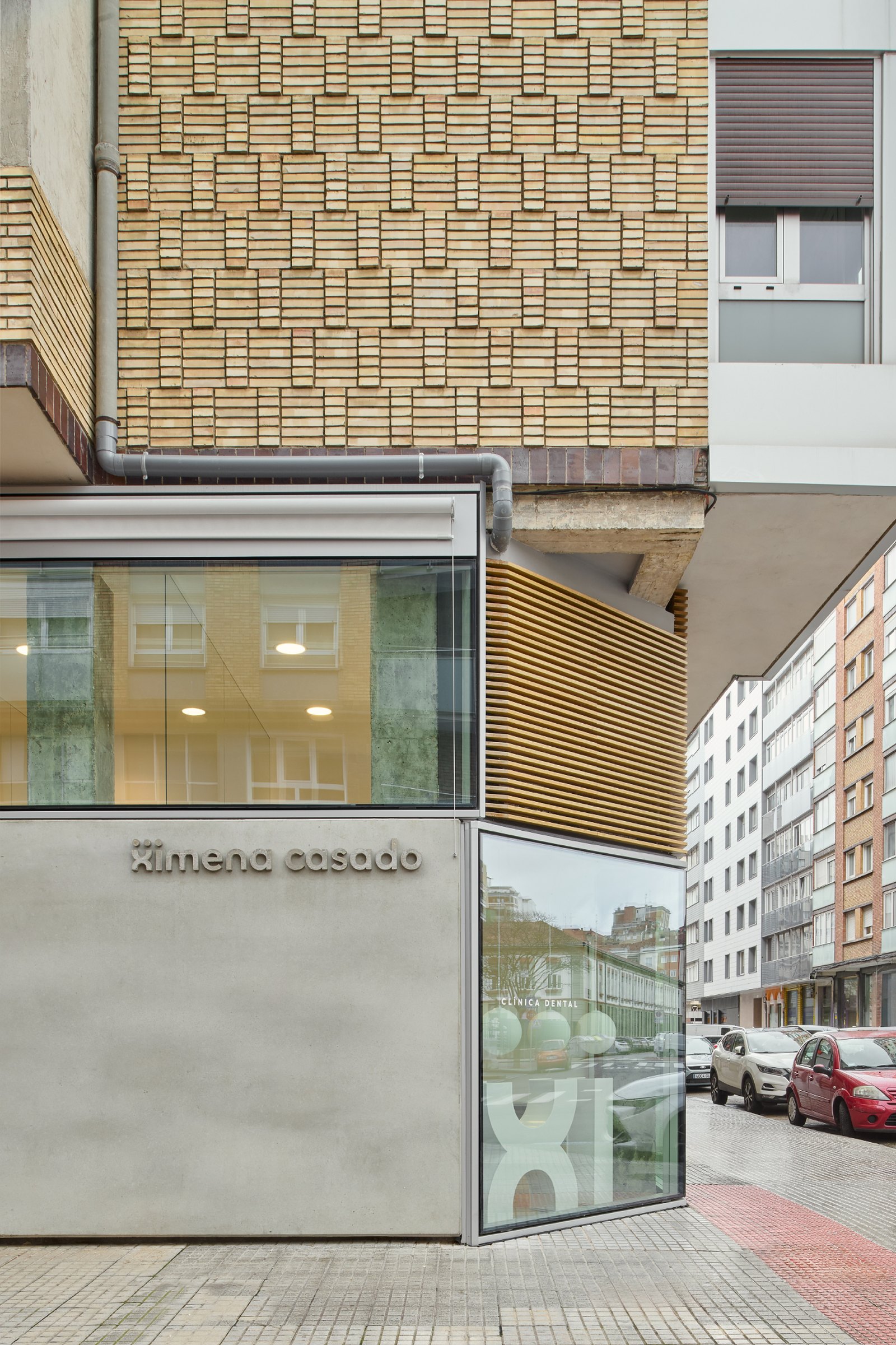
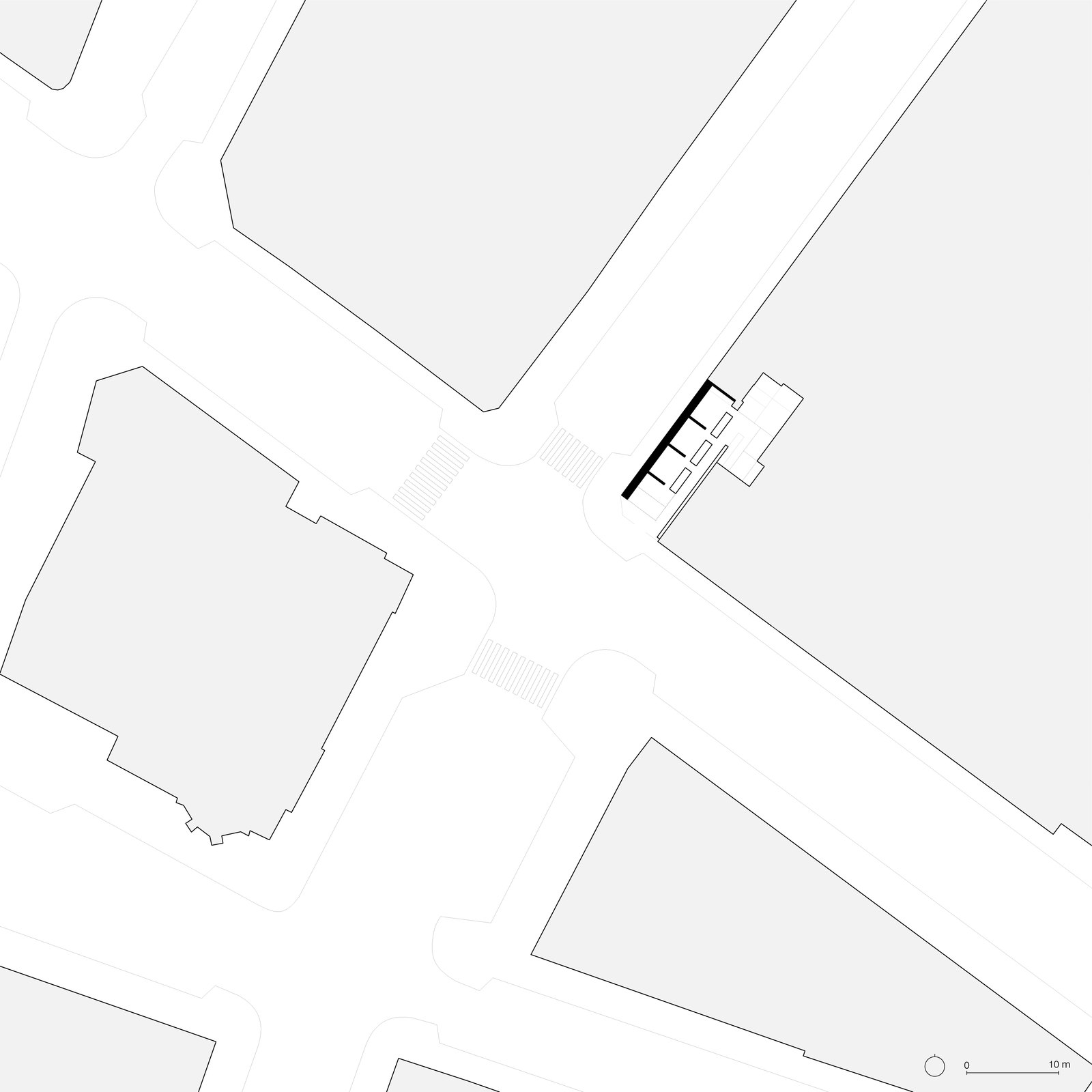
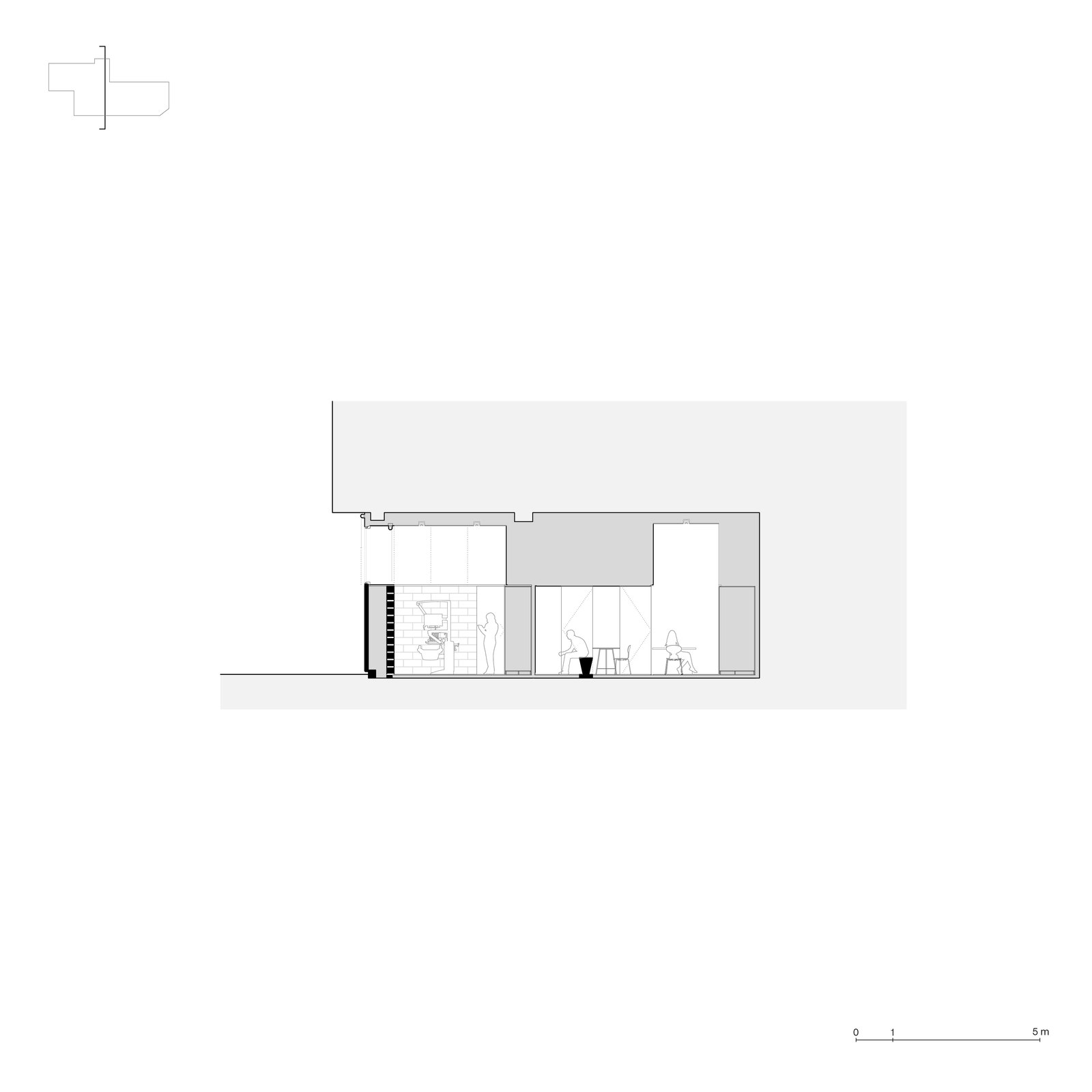
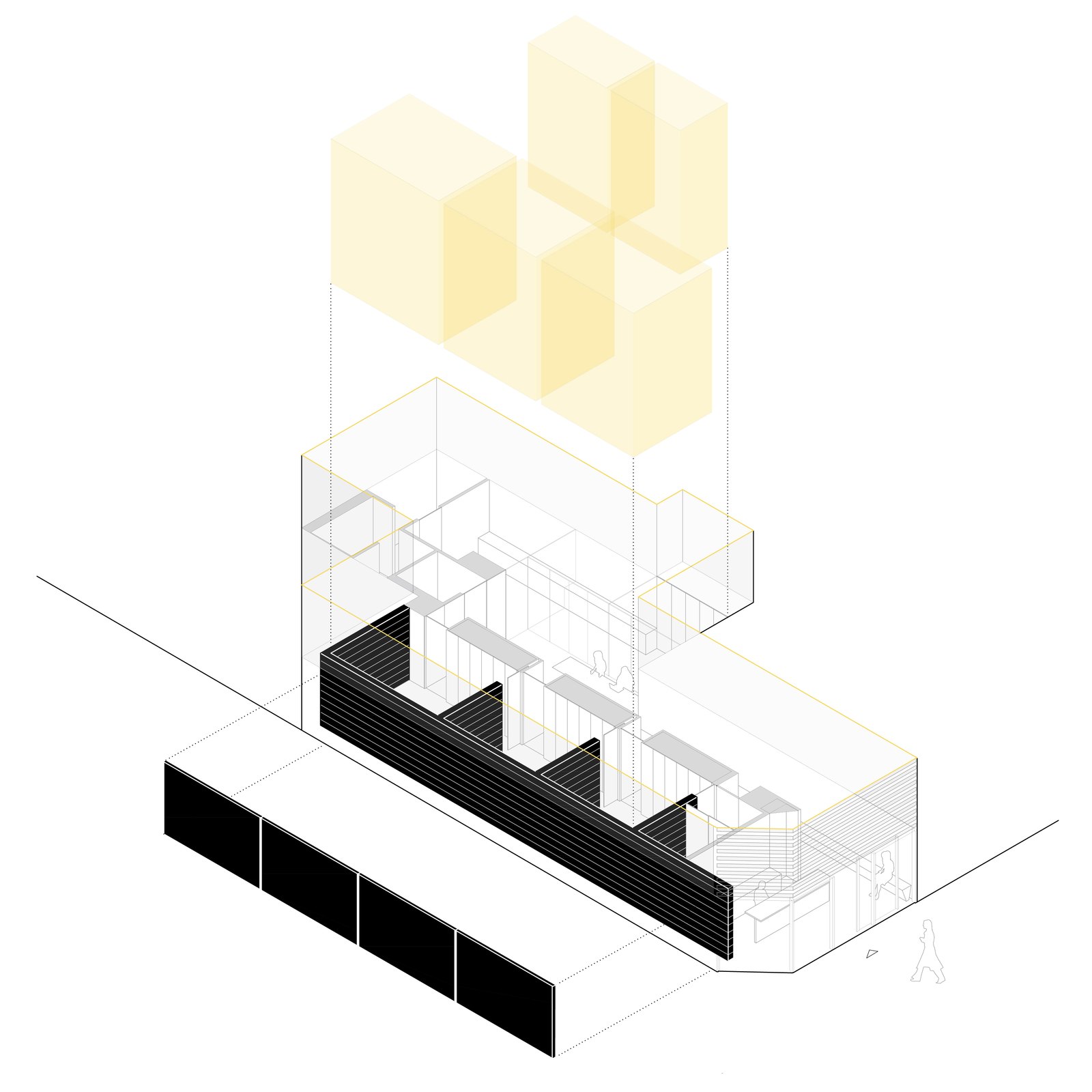
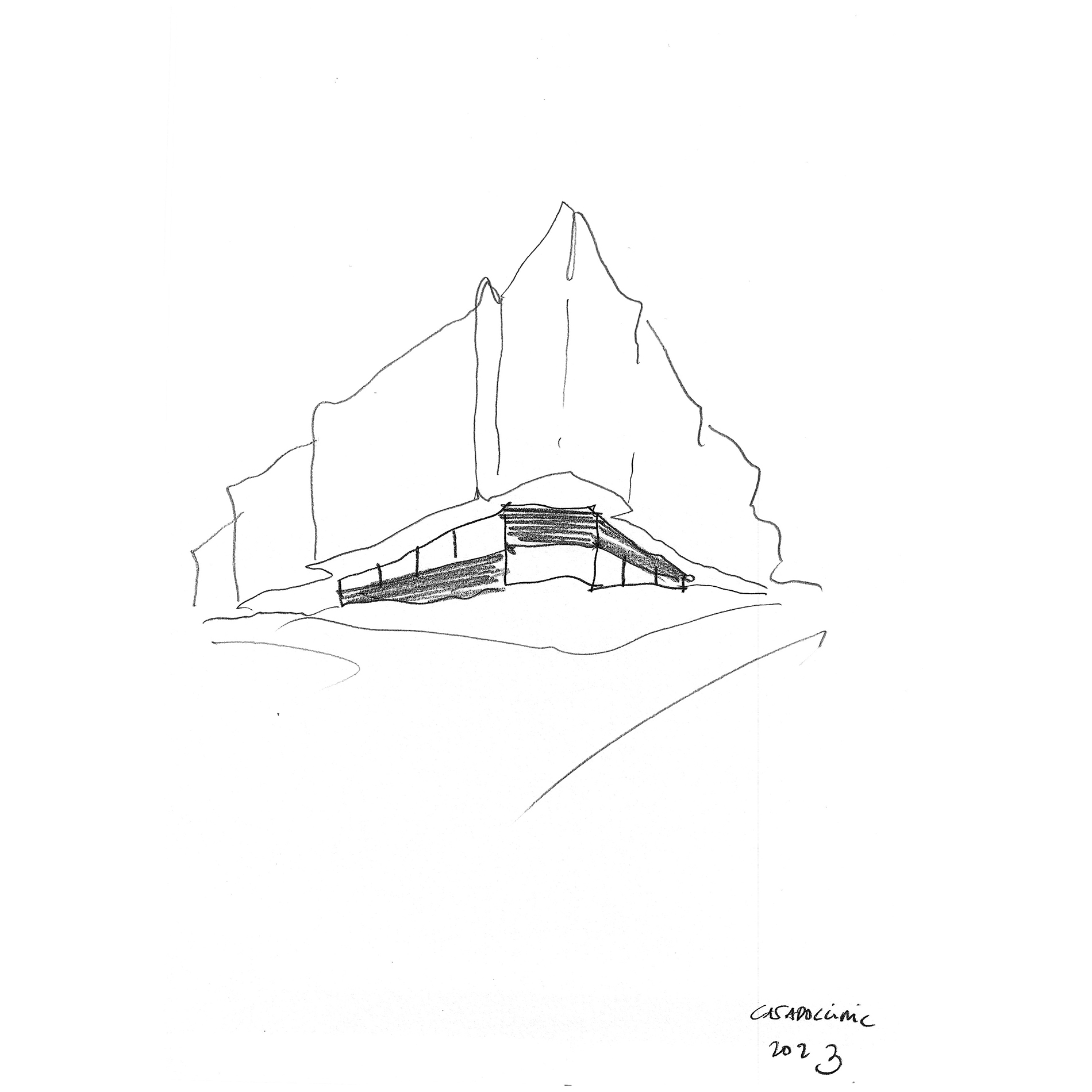
Dental clinic Ximena Casado reuses an establishment located in a corner that had been occupied for decades by a historic neighbourhood bar. The project takes advantage of the existing height, large but not high enough to accommodate two floors, with the aim of creating a rich and diverse spatial experience with variable sections adapted to each need.
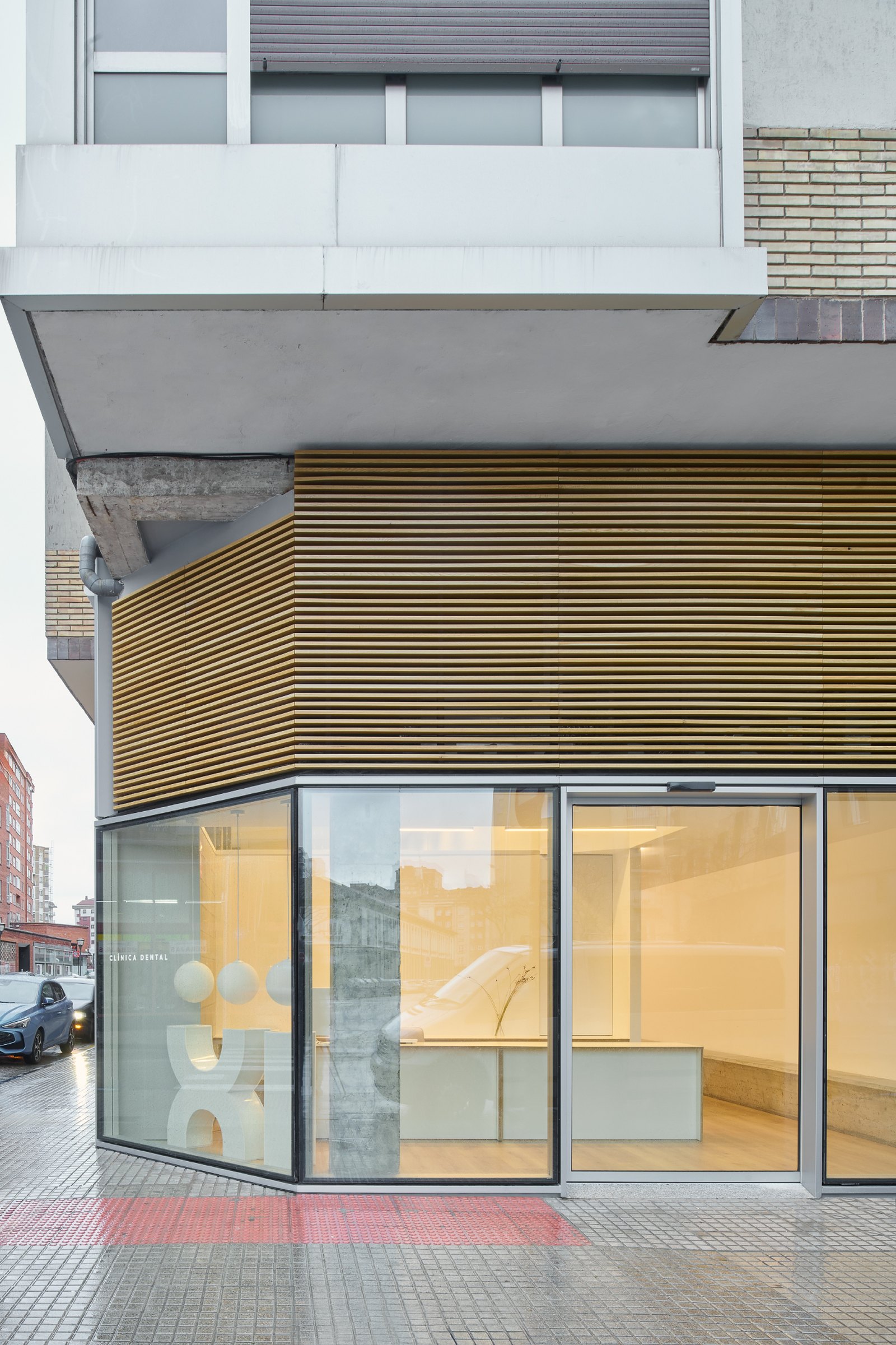
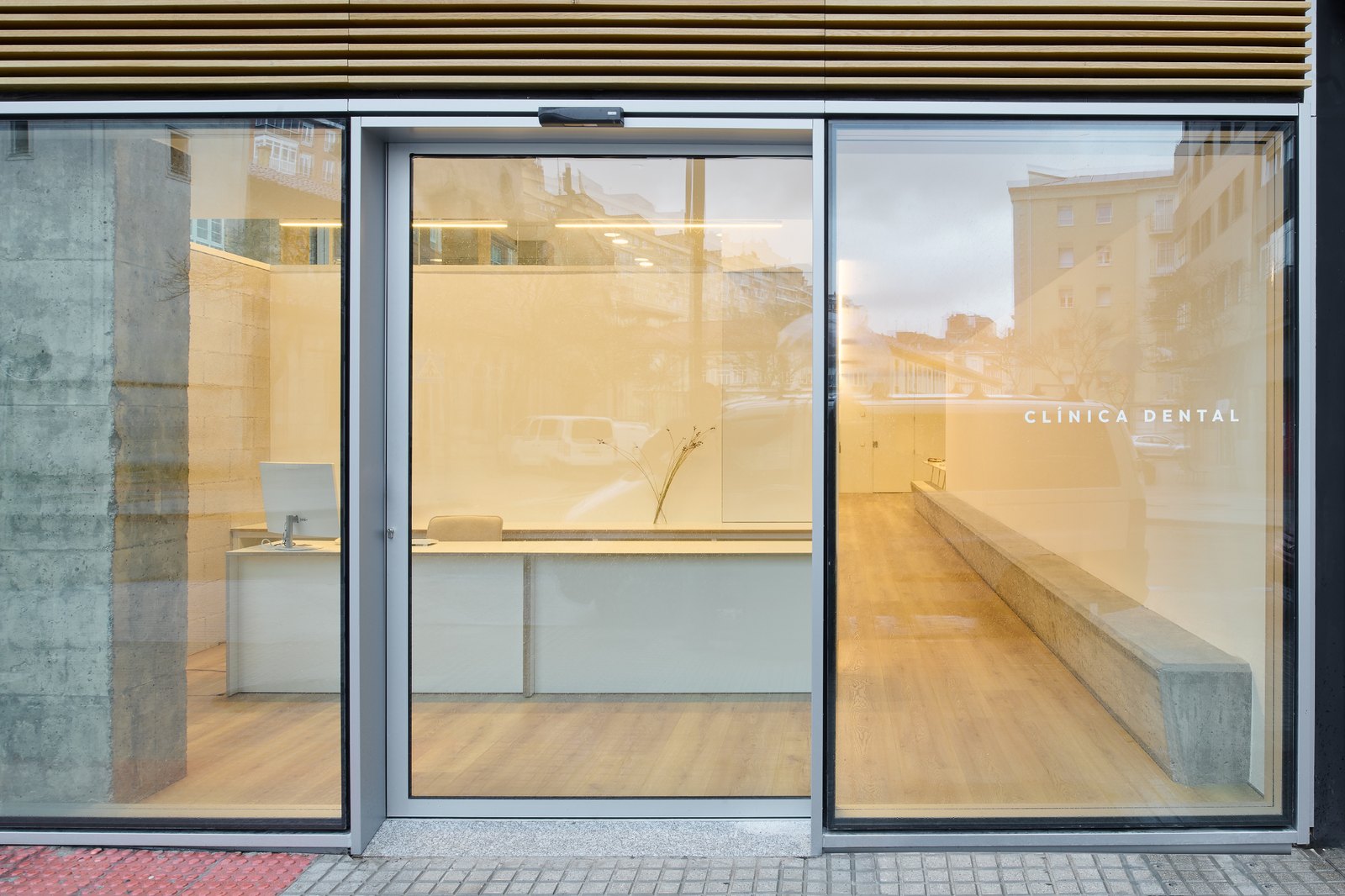
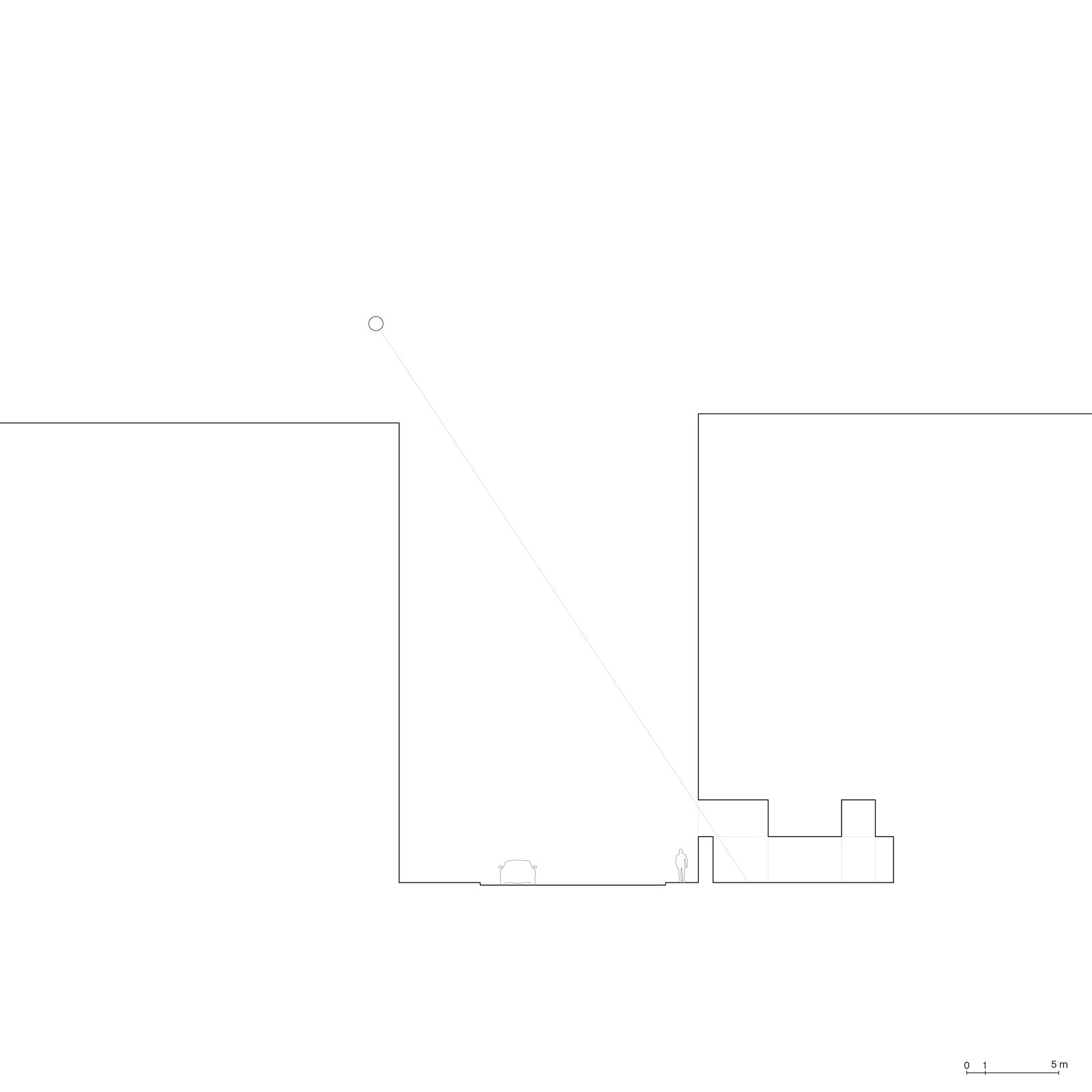
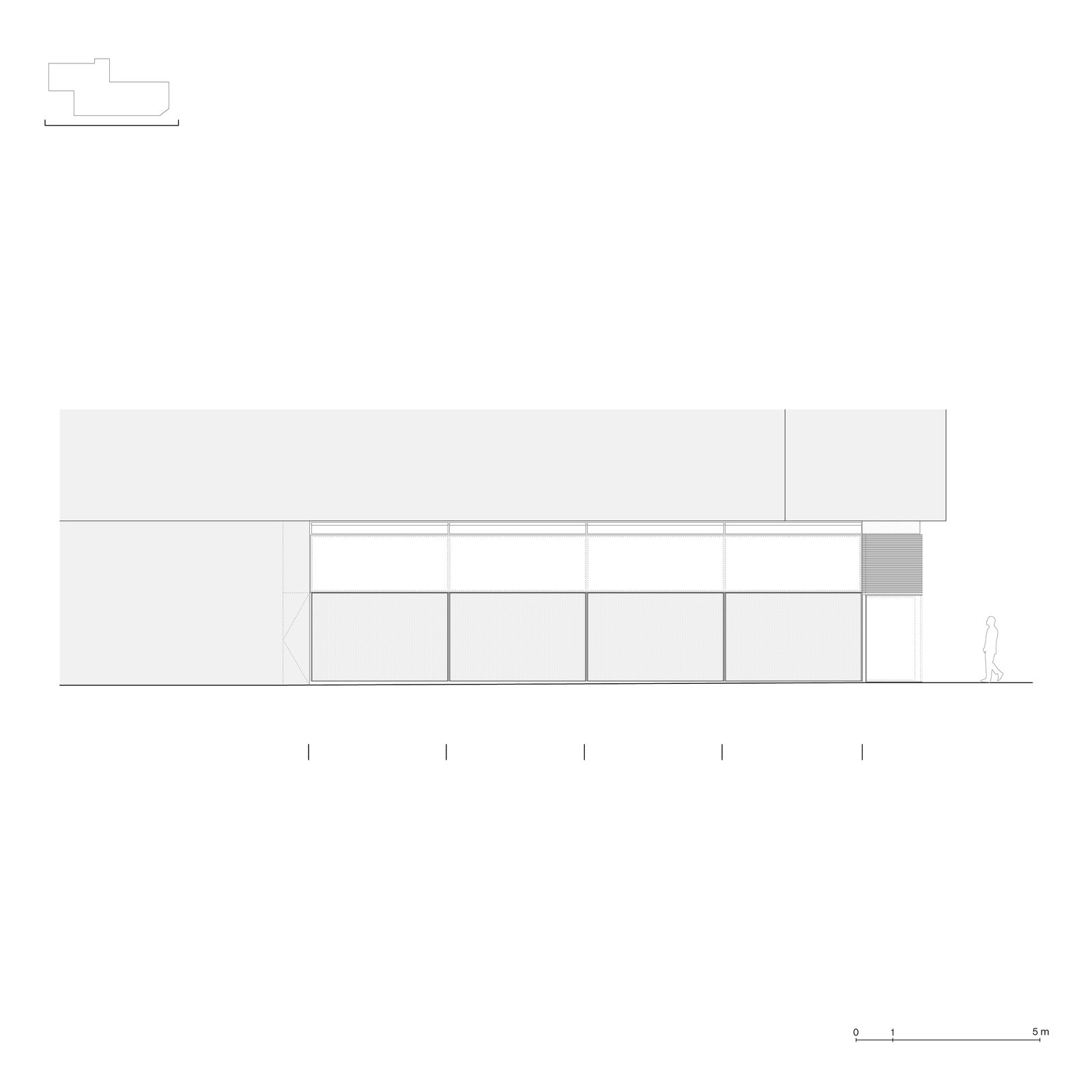
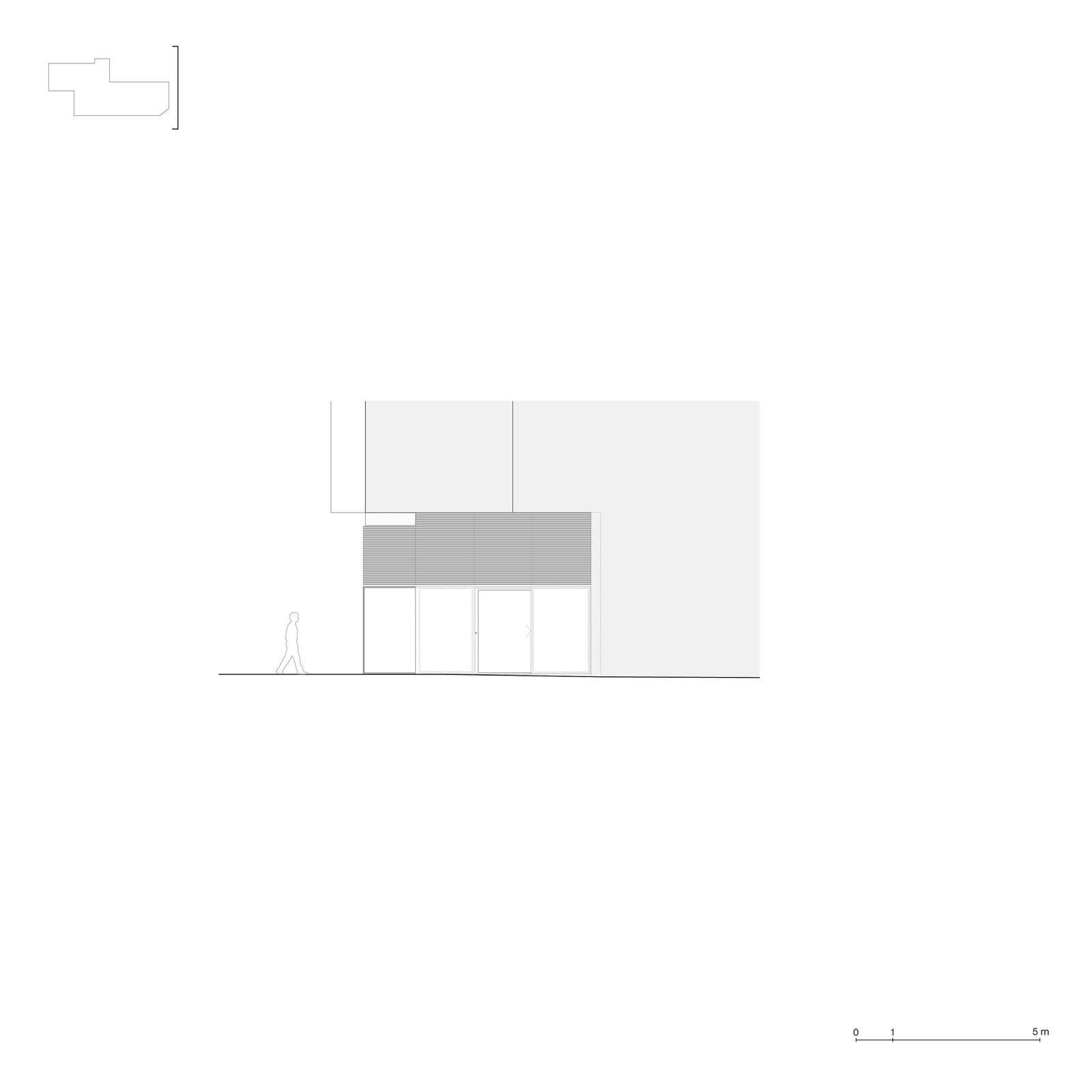
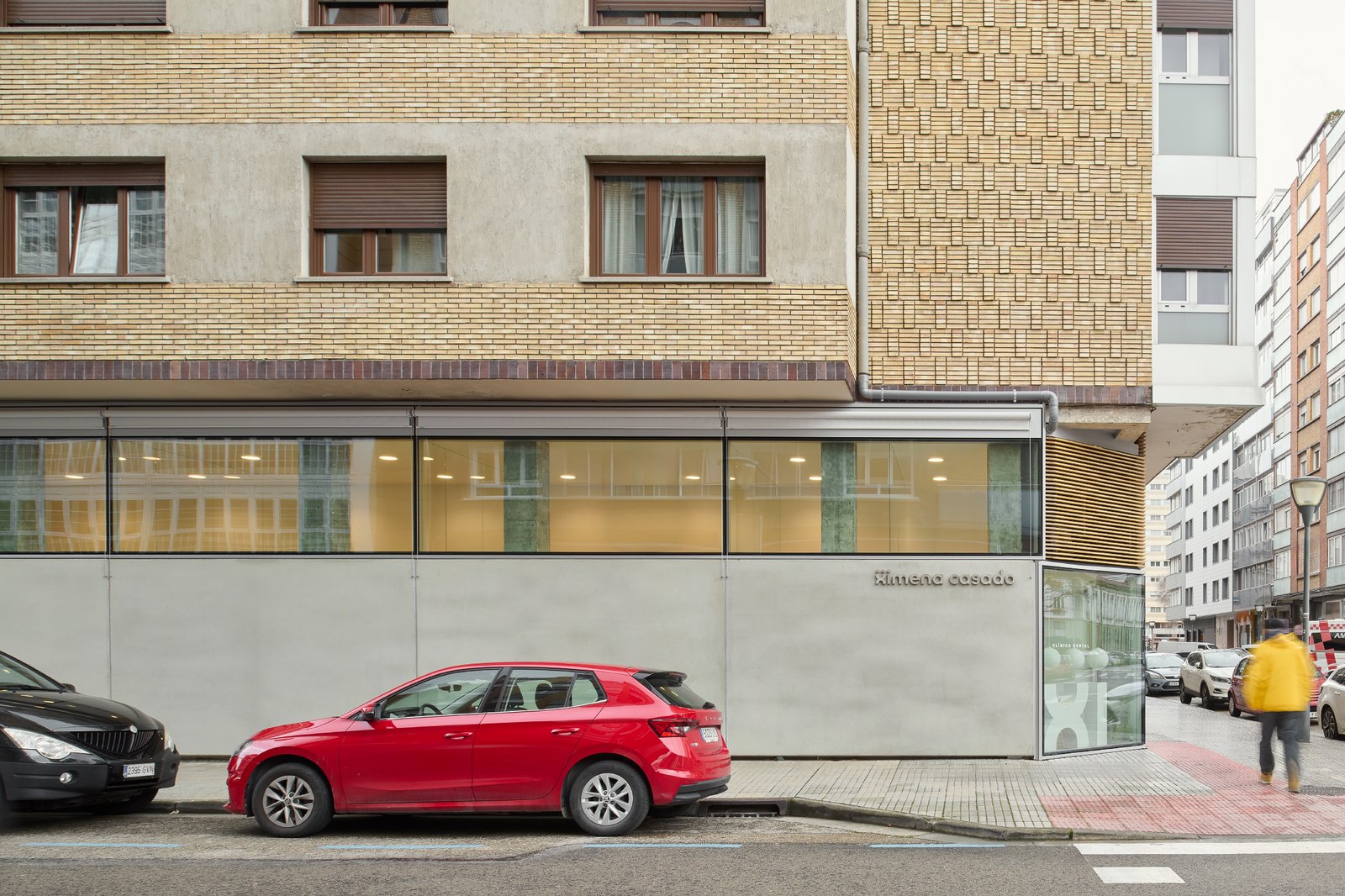
This also presents an opportunity to contribute to the urban design. In this sense, one façade opens completely to the pedestrian level, showcasing the entrance as a prominent feature or display window through a transparent curtain wall; meanwhile, the perpendicular side, occupied by the treatment rooms and the restroom, is closed off on the ground floor to provide the necessary privacy, but opens up at the top to allow natural light to enter from the street.
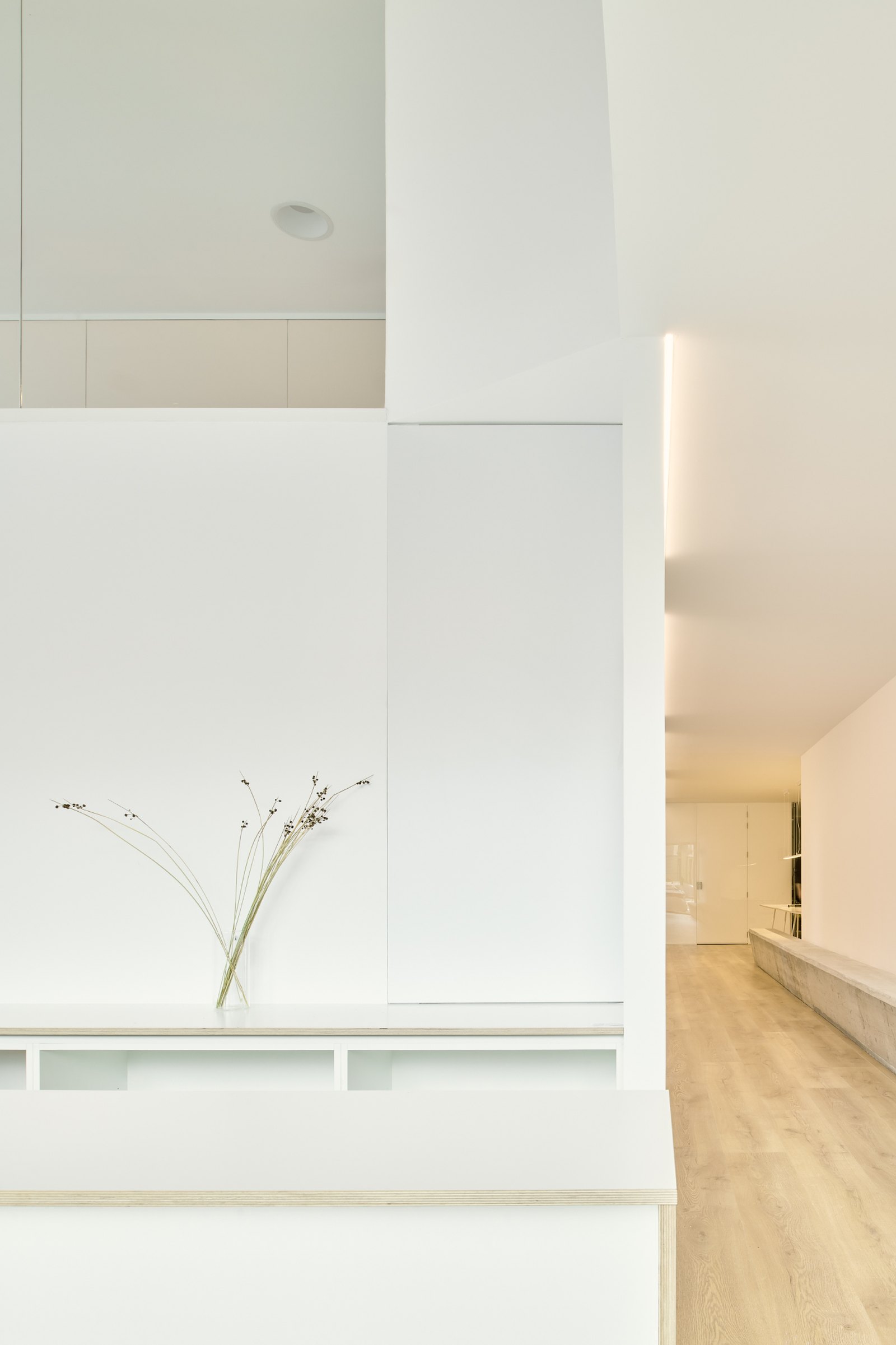
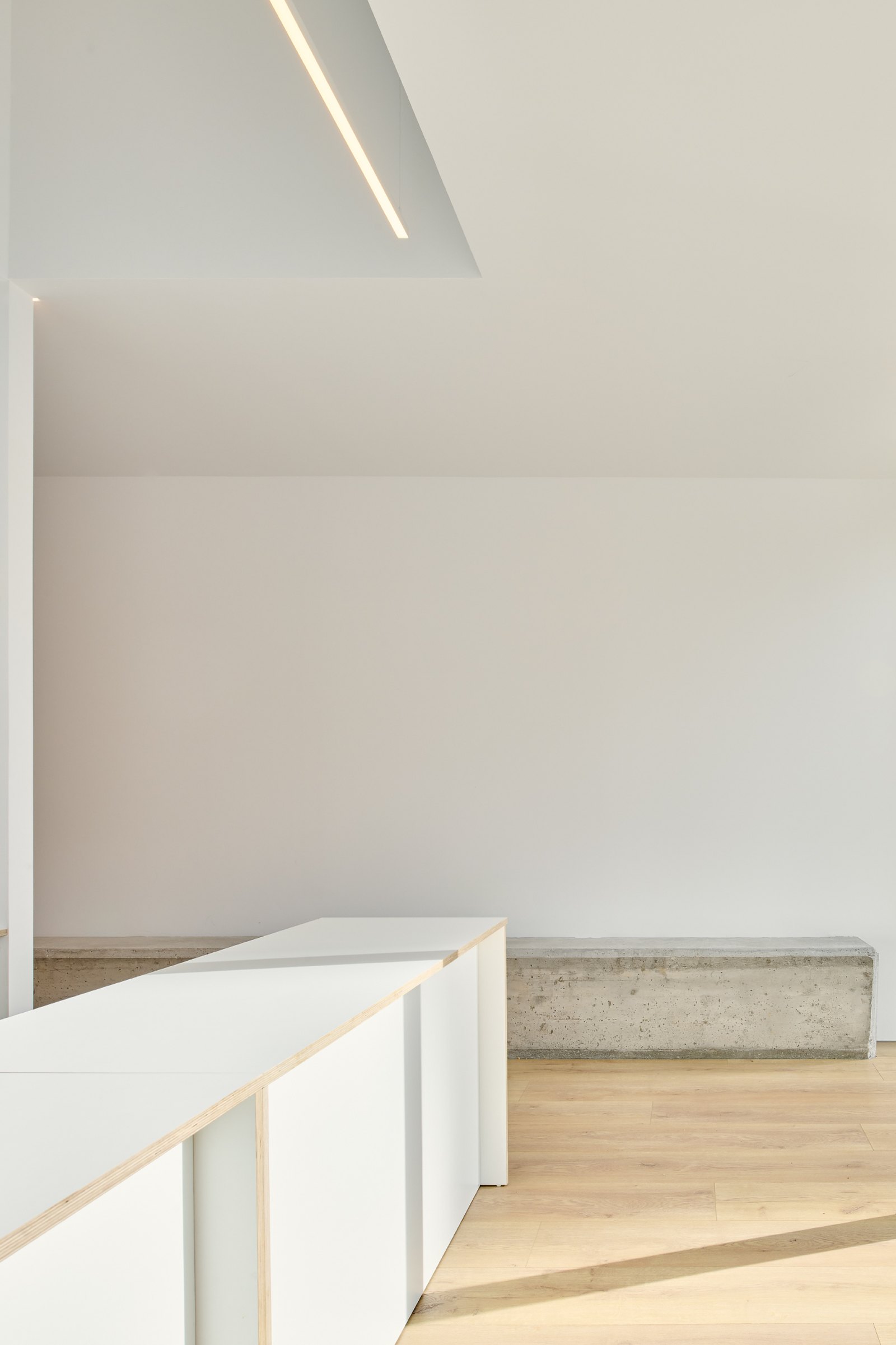
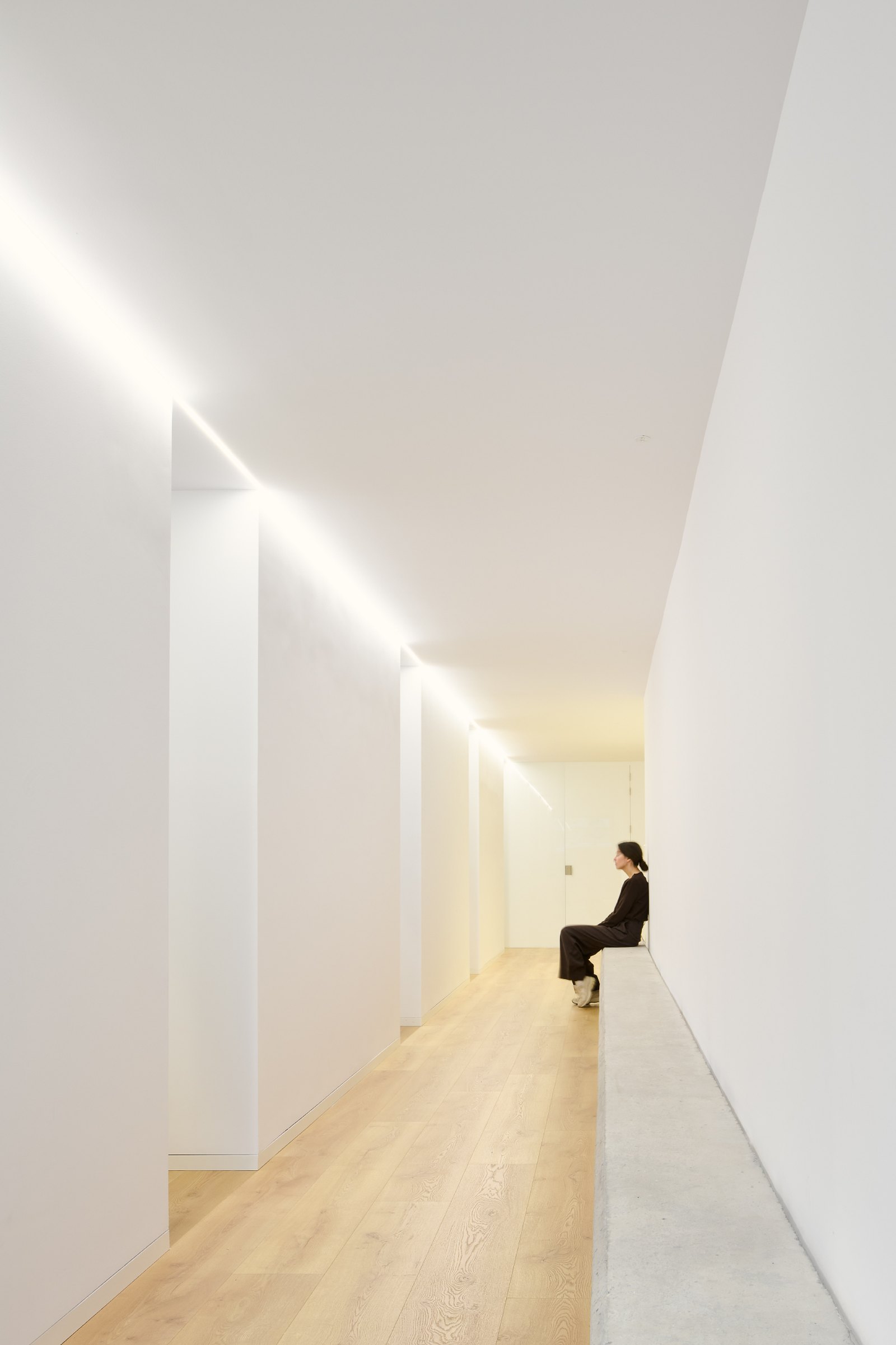
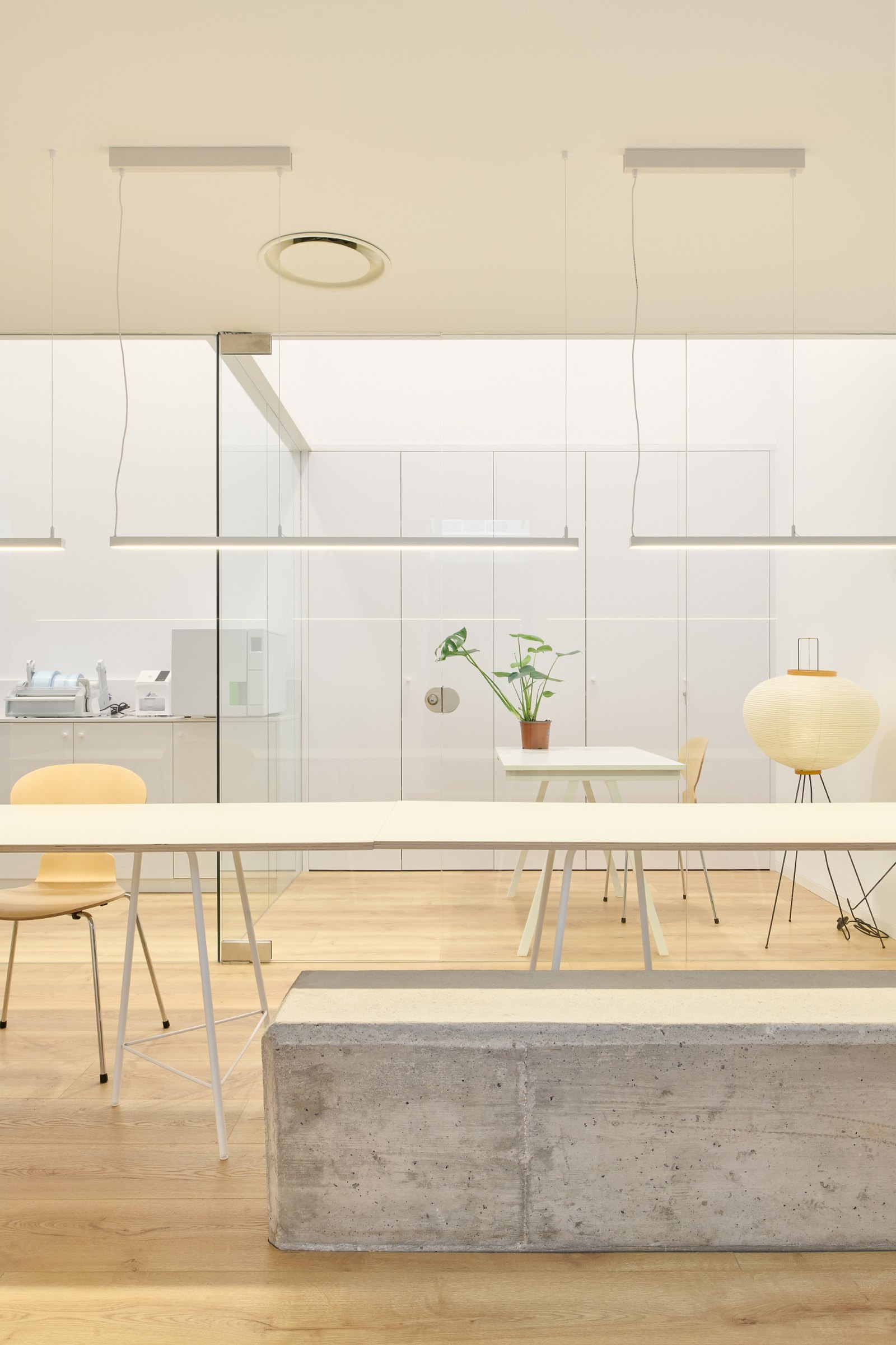
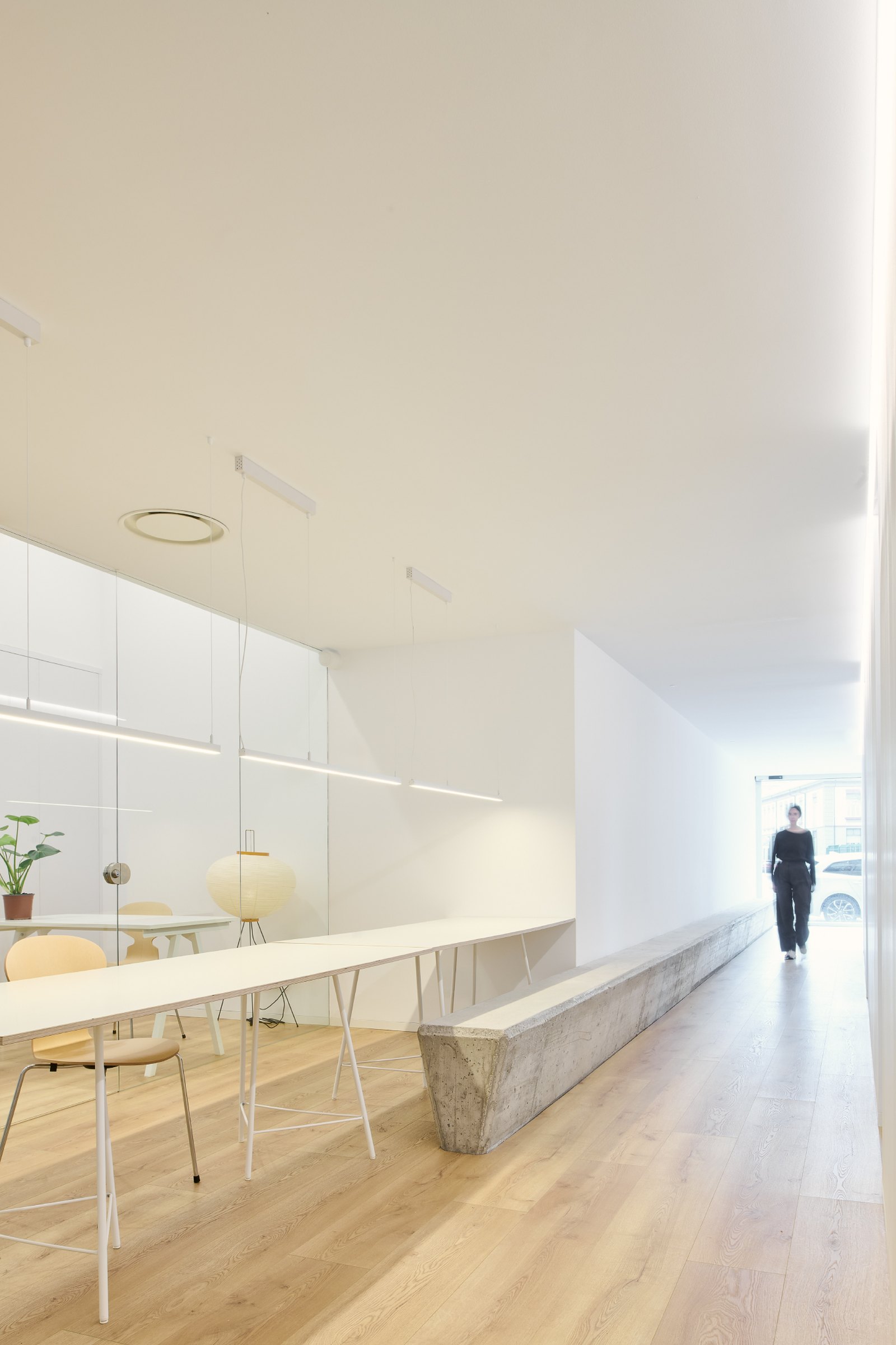
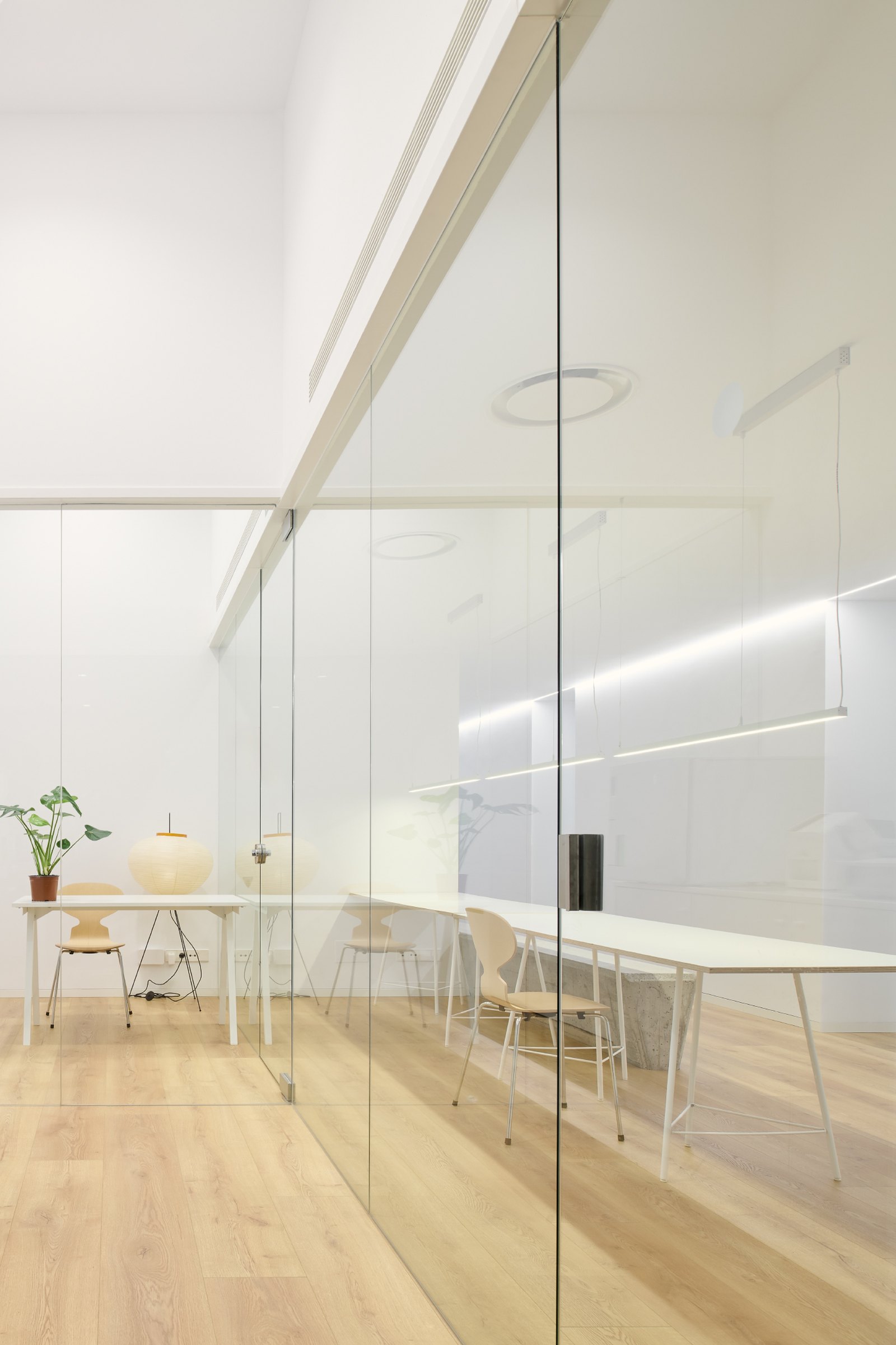
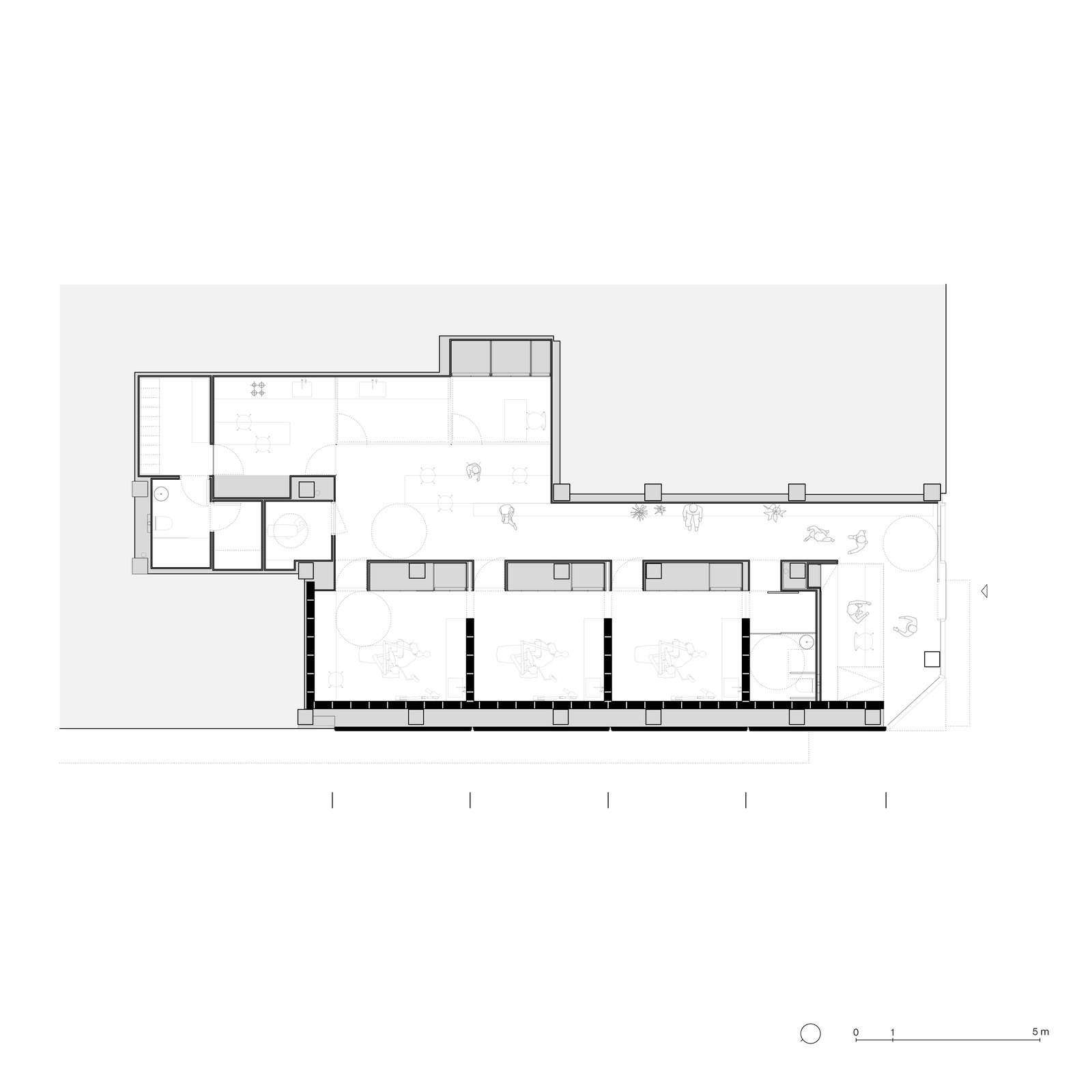
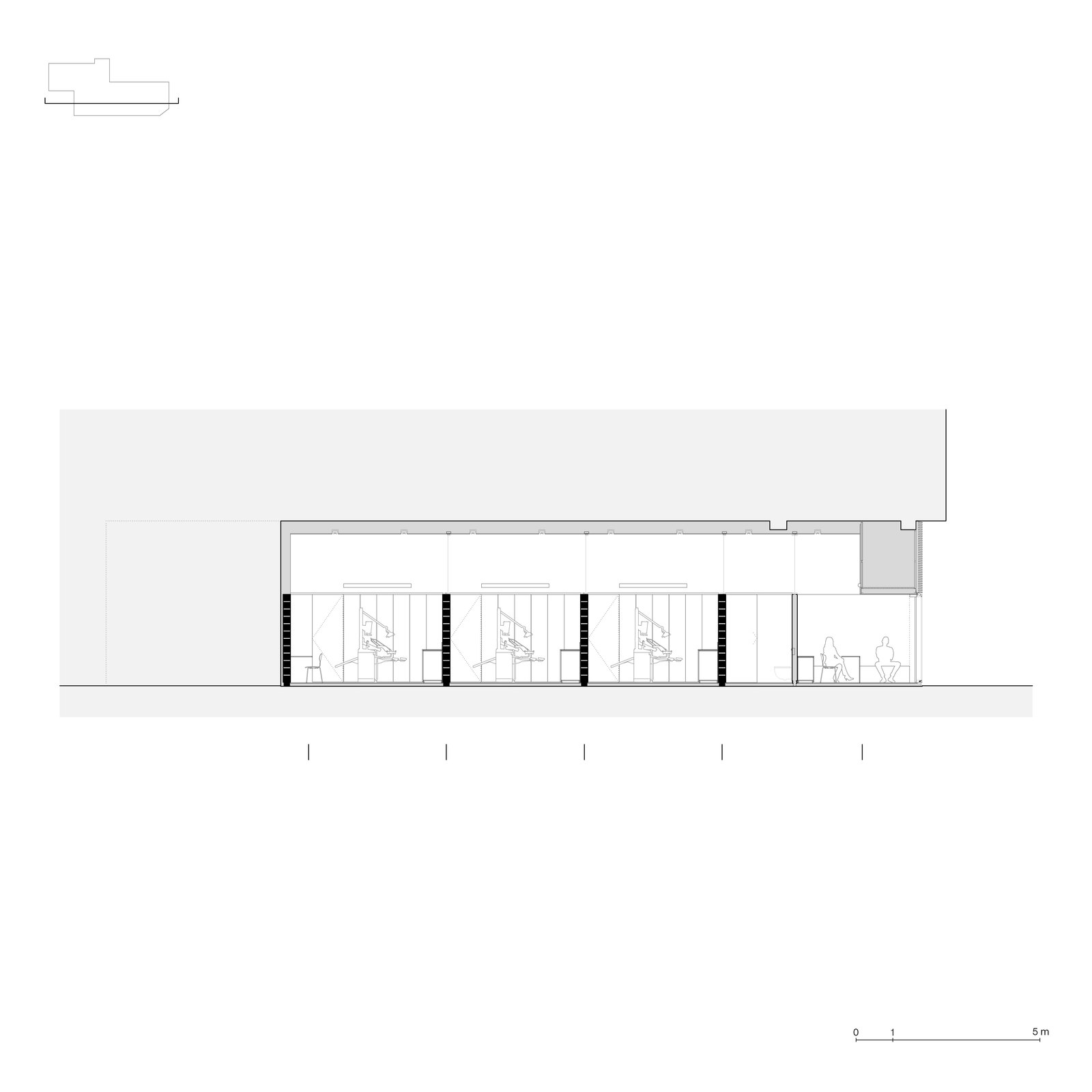
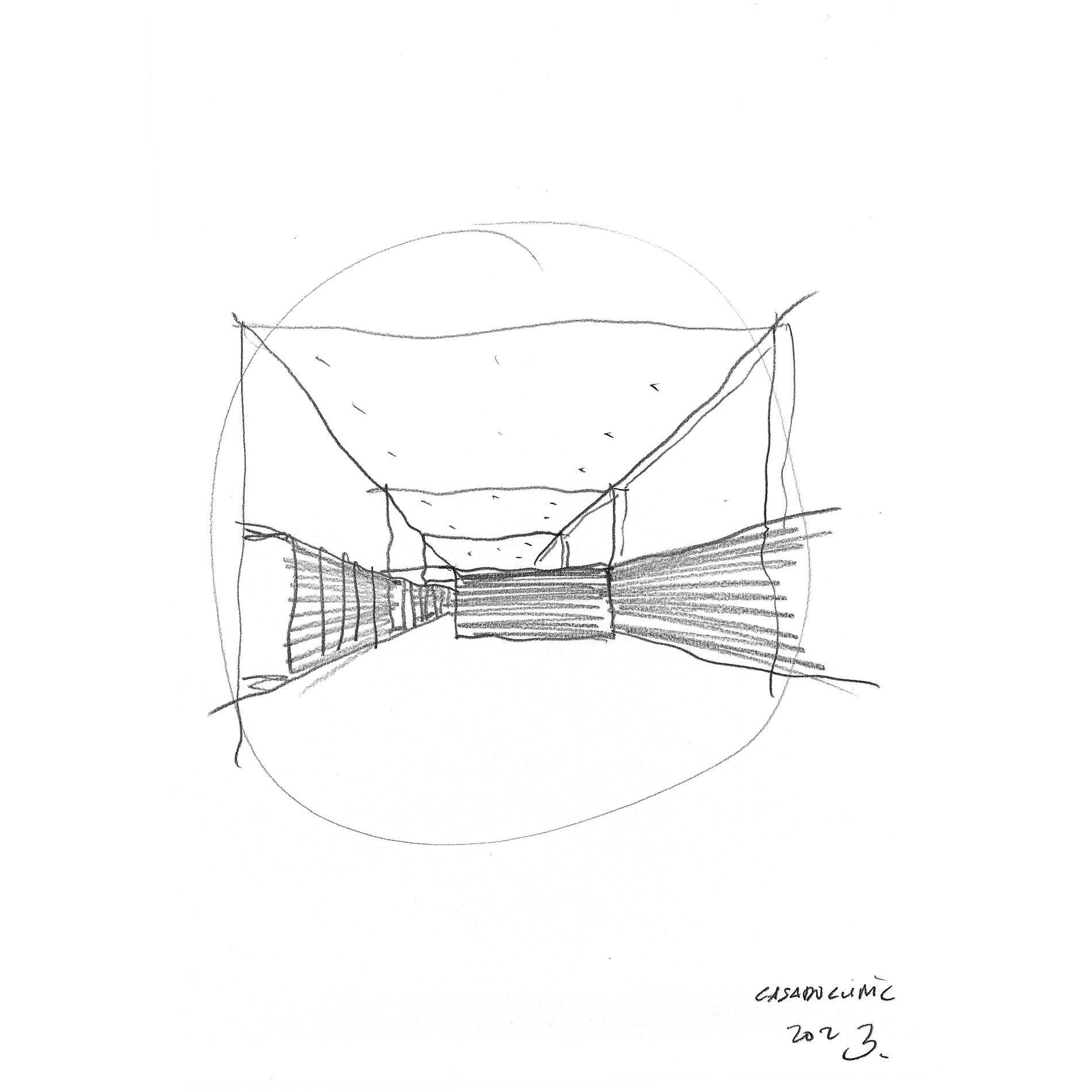
The access is through the shortest façade, from Clunia Street. A big glazed opening leads to the reception area, which, with its two-tiered ceilings, compresses and expands vertically, offering glimpses of the treatment rooms behind it and acting as a threshold to the waiting area, located to its right. The waiting area is a longitudinal space with horizontal tension that leads to the treatment rooms and the back of the premises via a long, cast-in-place, concrete bench. Once there, a large white tables becomes the principal element and allows for a multitude of uses, from working or meeting to celebrating an event or eating together. The transparent white glass of the vertical planes, together with the raising of the ceiling in the office and the sterilization room to create a new ‘sky’ that brings a mysterious indirect light, transform what was a dark cul-de-sac into an atmosphere rich in nuances, transparencies, reflections, and lights with diverse origins.
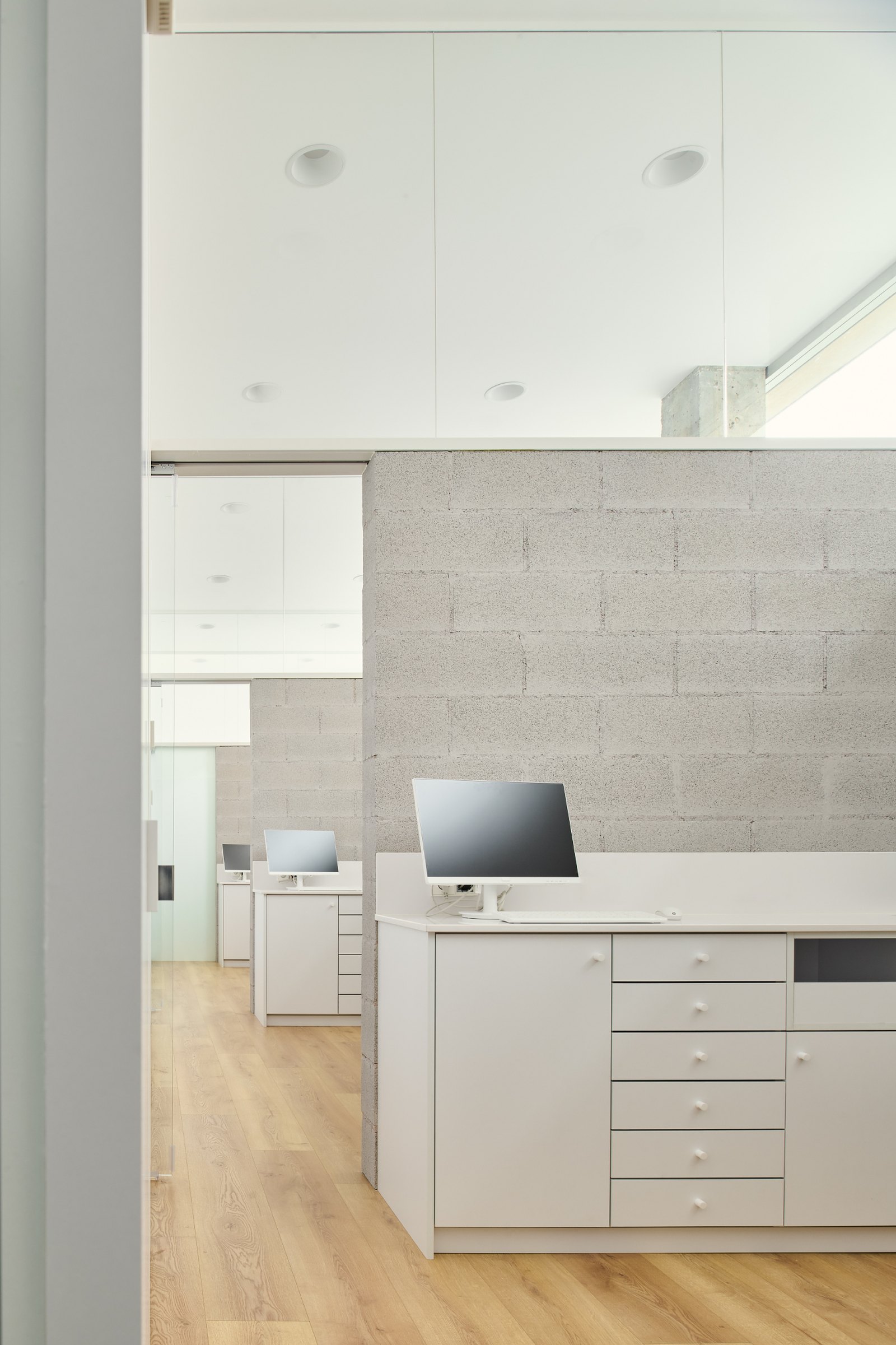
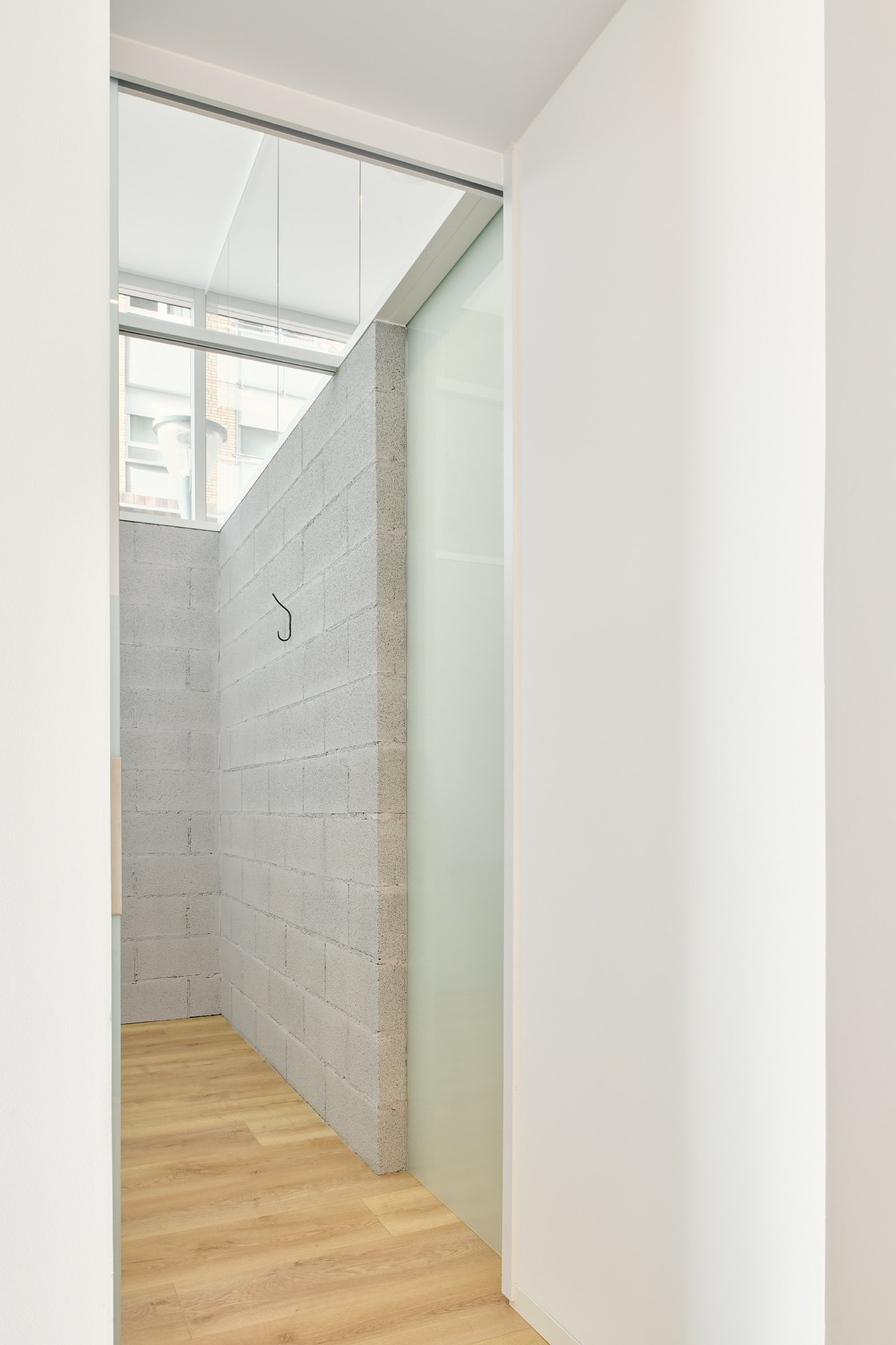
The treatment rooms, lit from above from the street, extend this visual al luminous continuity into the interior. To achieve this, the concrete block walls that define them do not reach the ceiling, but rather maintain the opaque level of the adjacent façade. In this way, privacy is preserved while achieving a sense of spaciousness and pleasant lighting.
From the constructive and material point of view, the project has served to research on the relationship between locally produced industrialized systems (curtain walls, prefabricated concrete panels, concrete blocks) and the traditional craft guilds (bricklayers, carpenters, blacksmiths, glaziers, etc.).
Classification
Interiors, healthcare
Location
Burgos, Spain
(42.347645, -3.695757)
Date
2021-25
Area
162 m2 GFA
Architects
Enrique Jerez Abajo
Rebeca Piedra Dueñas
Collaborators
Paula Hierro Peña
Clara Alonso Martín
Constructor
Labelbur
Metalwork
Escuadra
Equipment
Fadente
Photographer
Iñaki Bergera